
🔍10 Things to Check Before Buying a Property
Knowing the things to check before buying a property can help you avoid costly mistakes and make a more informed decision. Whether you are buying a home for your family or an investment property, it is important to check the location, documents, legal status, total costs, construction quality and other important factors before making a payment.
That is why it is important not to get carried away just because a property looks beautiful or the seller is offering an attractive deal. A house may have a great interior, a convenient location, and an attractive price, but there can still be problems that are not visible during the first visit.
Before you pay a token amount, sign an agreement, or make a major financial commitment, take some time to check the property properly. Proper research can help you understand what you are actually buying and can reduce the chances of facing unexpected problems later.
Understanding the things to check before buying a property can help you make a safer and more informed decision.
1. Things to Check Before Buying a Property Location
The first thing to check before buying a property is its location.
You may be buying the property for yourself, but you should also think about how practical the location will be for your everyday life. A beautiful home may not be the right choice if it is too far from your workplace, children’s school, hospitals, markets, or public transportation.
Check the distance from important places such as workplaces, schools, hospitals, shopping areas, metro stations, bus stops, major roads, banks, and other facilities that you regularly need.
Do not visit the property only once during the afternoon. If possible, visit the area at different times of the day. An area that looks peaceful in the afternoon may become extremely crowded during office hours or in the evening.
Also check the roads leading to the property. Look at road conditions, traffic, street lighting, accessibility, and nearby development. A beautiful house with poor connectivity can become frustrating over time.
If you are buying the property as an investment, location becomes even more important. Look at existing infrastructure, nearby commercial activity, transportation, rental demand, and actual development rather than relying only on promises about future development.
A good location can also make a property more practical for future resale or rental, although actual demand will depend on the specific area and property.
2. Verify the Property Documents
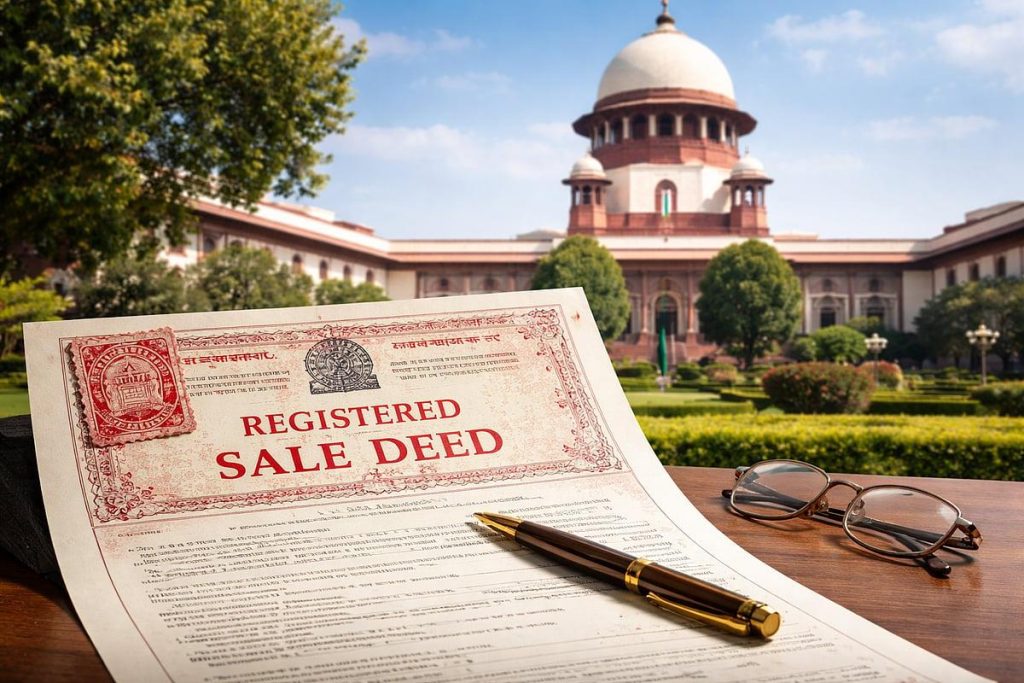
Property documentation is one of the most important parts of the entire buying process.
Never rely only on what a broker, salesperson, or seller tells you. Ask for the relevant property documents and get them checked by a qualified property lawyer before making a major financial commitment.
Depending on the type of property and transaction, documents may include the sale deed, previous ownership documents, title documents, approved building plans, tax receipts, possession-related documents, and other applicable approvals.
You need to understand who actually owns the property and whether the person selling it has the legal right to sell it.
The property description in the documents should also be carefully checked. Details such as property area, boundaries, ownership information, and other relevant information should be consistent across the available documents.
If the documentation is unclear, incomplete, or inconsistent, do not ignore it simply because you like the property or believe the price is attractive.
Checking property documents is another essential part of the things to check before buying a property.
3. Check for Existing Loans or Legal Issues
Before buying a property, find out whether there is any existing loan, mortgage, dispute, or other legal issue connected to it.
For example, if the property has an outstanding home loan, the process of clearing the lender’s interest needs to be properly handled during the transaction.
Similarly, if there is an ongoing dispute regarding ownership, property boundaries, inheritance, possession, or any other matter, you should understand the situation before proceeding.
Do not assume that everything is fine simply because the seller says, “There is no problem.”
Ask for the necessary documents and have the relevant information verified independently. If a bank is involved in the transaction, understand the process for releasing any existing charge on the property.
You should also be careful when purchasing inherited or jointly owned property because the ownership structure can be more complicated.
This is another reason why getting independent legal advice can be useful. A qualified property lawyer can help you understand the documents and identify issues that may not be obvious to a first-time buyer.
Legal issues are among the most important things to check before buying a property.
4. Check the Builder and Project Approvals
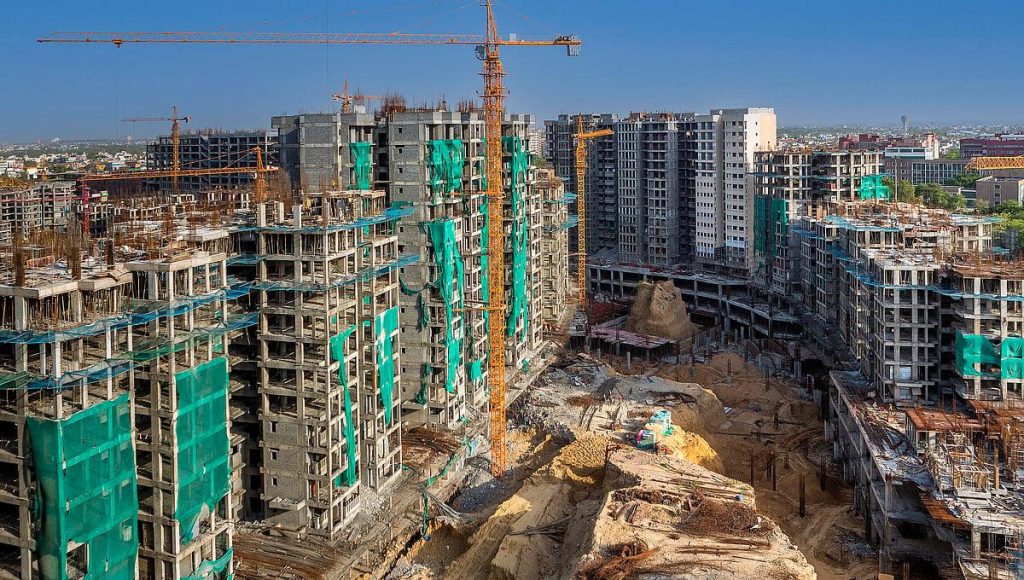
If you are purchasing a property from a builder or developer, research the builder before making a decision.
Look at their previous projects and, where possible, speak to people who already live in those projects. Their experience can help you understand practical issues related to construction quality, maintenance, possession, facilities, and management.
For an under-construction or new project, check the applicable project registration and approvals. In India, buyers should also check the project’s details on the relevant state RERA authority’s website.
Do not depend entirely on advertisements, brochures, social media posts, or sales presentations.
A salesperson may show you attractive pictures of the finished project, but your decision should be based on official project information, documents, approvals, and actual site conditions.
Check the promised possession timeline and understand what the agreement says about possession and delays.
You should also compare what was promised during the sales discussion with what is mentioned in the official documentation. Important details should not be based only on verbal assurances.
Checking the builder and project approvals should also be included in your things to check before buying a property.
5. Understand the Total Cost
One common mistake buyers make is looking only at the property price.
Suppose someone tells you that a property costs ₹60 lakh. That does not necessarily mean ₹60 lakh is the total amount you will spend.
There can be additional costs such as stamp duty, registration charges, brokerage, legal fees, loan processing charges, maintenance deposits, parking charges, interiors, repairs, moving expenses, and other applicable costs.
For an apartment, you may also have society-related charges or other maintenance expenses.
Before making a decision, prepare a simple calculation of the total cost of buying the property.
For example, separate the expenses into:
- Property purchase price
- Stamp duty and registration
- Brokerage, if applicable
- Legal and documentation expenses
- Home loan-related charges
- Parking or other applicable charges
- Renovation and interiors
- Repairs and maintenance
- Moving and setup expenses
This will give you a much clearer idea of whether the property actually fits your budget.
If you are taking a home loan, calculate the EMI along with your other monthly expenses. Consider your regular household expenses, existing loans, insurance, education costs, savings, and emergency requirements.
Do not choose a property just because a bank is willing to give you a particular loan amount.
6. Inspect the Construction and Condition
Never buy a property based only on photographs or videos.
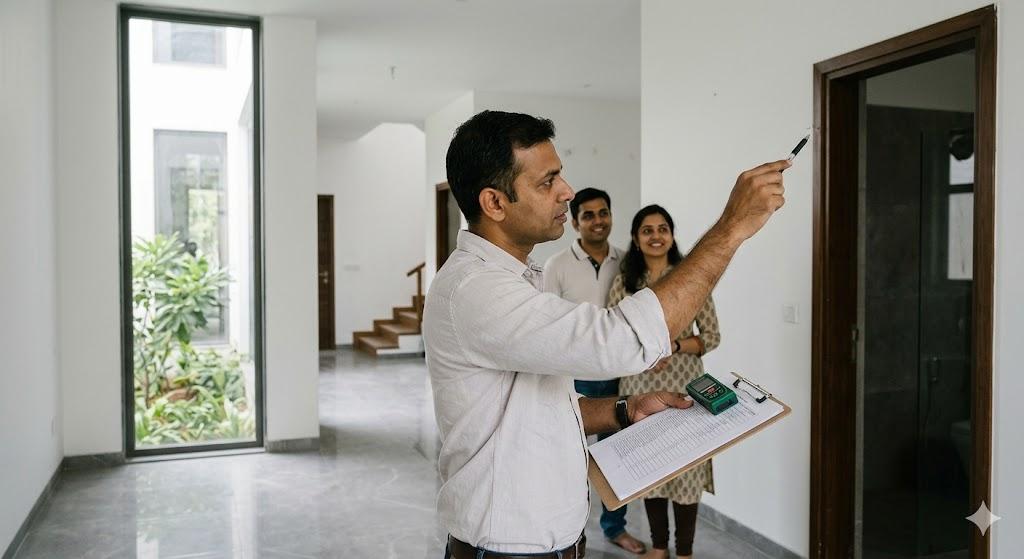
Visit the actual property and inspect it carefully. If possible, take someone experienced with you during the inspection.
Look at the walls, ceilings, floors, doors, windows, plumbing, electrical fittings, ventilation, bathrooms, kitchen, and other important areas.
Check for visible signs of dampness, water leakage, cracks, poor finishing, damaged fittings, unusual smells, or other maintenance concerns.
For an apartment, also look at the common areas, lifts, staircase, parking area, entrance, security arrangements, and general building maintenance.
If you are buying an older property, consider getting an experienced civil engineer or property inspection professional to examine it.
Sometimes a property may look perfect after a fresh coat of paint, while there could be underlying maintenance issues that are not immediately visible.
Also check the age and condition of important systems and fittings. Replacing electrical wiring, plumbing, flooring, windows, or bathroom fittings can increase your actual cost after purchase.
Construction quality is one of the key things to check before buying a property.
7. Check Water, Electricity and Other Basic Facilities
Basic facilities can have a huge impact on your daily life.
Before buying, find out how the property receives its water supply and whether there have been water-related problems in the area.
Ask about electricity availability, backup systems where applicable, drainage, sewage arrangements, and waste management.
If you are buying an apartment, ask about power backup for lifts, common areas, and other essential systems.
You should also check mobile network coverage and internet availability if these are important for your work or lifestyle.
Ask existing residents about the reliability of these services whenever possible. A property may look excellent during a short visit, but everyday utility problems can become frustrating after moving in.
Water pressure, drainage, electricity interruptions, and internet connectivity may seem like small details during a property visit, but they can become important parts of your daily living experience.
The neighbourhood is another important factor among the things to check before buying a property.
8. Check Parking and Accessibility
Parking is often ignored during the property search, especially when buyers are focused on the house itself.
But if you own a car or plan to buy one in the future, parking can become a daily headache if it is not properly planned.
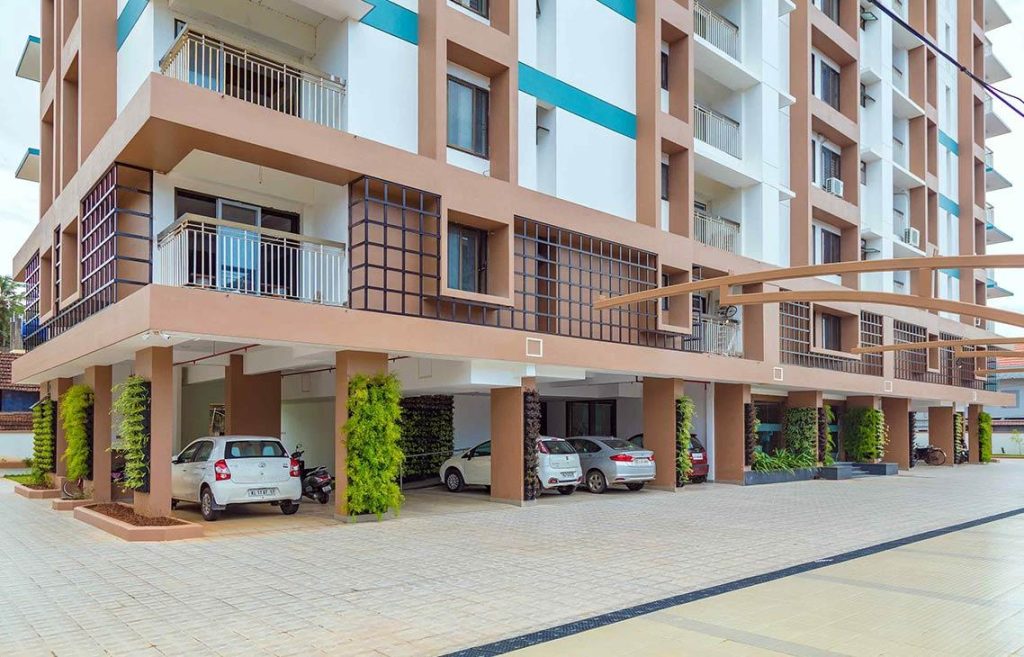
Ask whether the parking space is officially allotted and whether it is included in the relevant agreement or sale documents where applicable.
Do not simply accept a verbal promise that “parking will be managed later.”
Check the actual parking area. Make sure you understand where the vehicle will be parked, how easy it is to enter and exit, and whether the space is suitable for your vehicle.
Accessibility is equally important.
Check how easy it is to enter and exit the property. Visit during busy hours if possible. Narrow roads, traffic congestion, poor road conditions, and limited parking around the property can make everyday life difficult.
Also consider accessibility for elderly family members or people with mobility requirements. Lift access, stairs, ramps, entrance design, and nearby transportation can all matter depending on your family’s needs.
9. Research the Neighbourhood
You are not just buying four walls. You are also becoming part of a neighbourhood.
Take some time to understand the people, surroundings, facilities, and overall environment.
Visit nearby markets, parks, schools, hospitals, restaurants, pharmacies, banks, and public transport points.
Talk to a few residents if possible. They may tell you things that you will not learn from a property advertisement or sales representative.
Ask about issues such as water supply, power cuts, security, noise, parking, maintenance, cleanliness, and general accessibility.
Also check whether there are any major construction projects, industrial areas, drainage problems, busy roads, high-noise areas, or other factors nearby that could affect your living experience.
If you are buying a property for your family, consider whether the neighbourhood has the facilities your family will need over the long term.
For investment properties, research rental demand and resale demand in the area as well.
However, avoid making an investment decision only on the assumption that prices will automatically increase. Look at actual local demand, connectivity, development, property condition, and comparable properties.
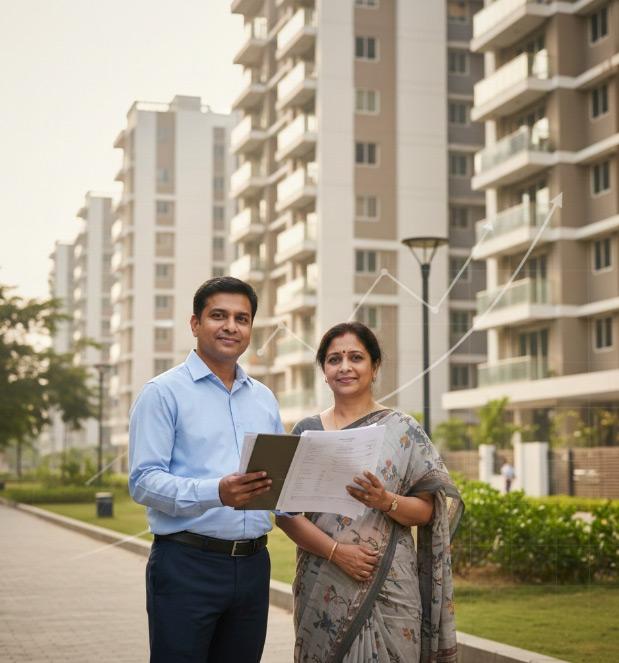
10. Don’t Rush the Decision
This might be the simplest advice, but it is also one of the most useful.
Do not buy a property just because the seller says, “Someone else is ready to pay the token amount today.”
Real estate transactions involve significant amounts of money. You should have enough time to check the documents, compare properties, understand the costs, inspect the property, and think about your decision.
If you like a property, visit it more than once.
Visit during different times of the day and, if possible, on different days. This can help you understand traffic, noise, parking, sunlight, accessibility, and the overall environment more realistically.
Compare the property with similar properties in the same area.
Check the asking price against other comparable properties rather than assuming the seller’s quoted price is the actual market value.
You should also consider whether the property meets your current requirements and whether it will continue to meet them in the future.
Most importantly, do not let emotions completely control the decision.
It is normal to feel excited when you find a house that looks perfect. But excitement should not replace proper due diligence.
Take your time, ask questions, verify information, and make sure you understand the financial and legal aspects before proceeding.
Final Thoughts
These things to check before buying a property can help you avoid common mistakes.
Before you make a payment, check the location, documents, ownership, legal status, project approvals, total cost, construction quality, basic facilities, parking, accessibility, and neighbourhood.
If you are taking a home loan, understand the EMI and the total interest you may pay over the loan period. Make sure the monthly repayment fits comfortably within your overall financial planning.
If you are buying an investment property, do not look only at expected appreciation. Consider rental demand, resale demand, location development, connectivity, comparable properties, and the actual condition of the property.
If you are unsure about legal documents or technical aspects, do not hesitate to take professional help. A property lawyer can help with legal documentation, while a qualified technical professional can help identify construction or maintenance concerns.
A few extra days of research can be much better than years of dealing with a property problem that could have been identified before buying.
The right property is not necessarily the one with the most attractive advertisement or the lowest price.
It is the property where the documents, location, condition, costs, and your financial situation all make sense together.
Take your time, ask questions, verify everything, compare your options, and make the decision only when you are comfortable with what you are buying.
Because when it comes to property, a good deal is not just about getting the right price — it is about getting the right property.
